
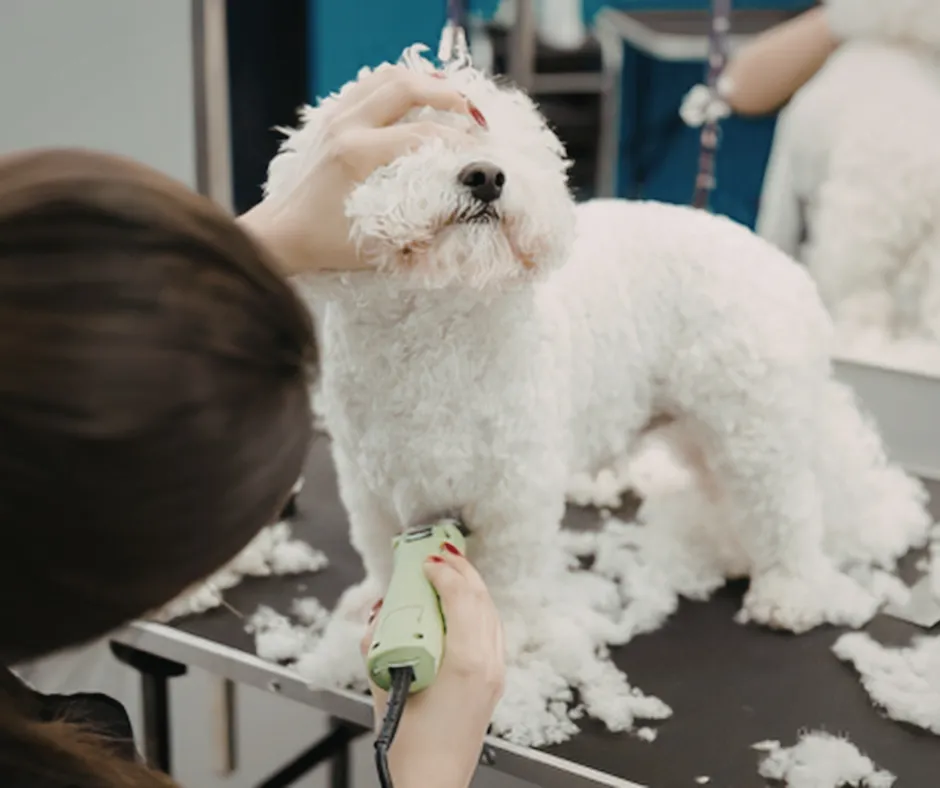
Busy Season Survival: Time Management Tips for Home-Based Dog Groomers
Feeling like there aren't enough hours in the day? You're not alone.
When busy season arrives, many home-based groomers find themselves juggling back-to-back appointments, endless messages, bookkeeping, cleaning, family responsibilities, and somehow trying to have a life outside of work too!
The good news? You don't need to work longer hours to get more done. With a few simple time management strategies, you can reduce stress, stay organised, and actually enjoy your busiest months.
Here are my favourite time management tips to help you survive — and thrive — during busy season.
1. Plan Your Week Before It Starts
One of the biggest mistakes groomers make is starting Monday morning without a clear plan.
It is honestly one of my favourite and go-to ways to reduce overwhelm and to feel calm and in control, going into a new week.
Spend 20-30 minutes every Friday afternoon or Sunday evening looking ahead at the week ahead.
Ask yourself:
How many dogs are booked in?
Which days are busiest?
Do I have any personal commitments?
When will I complete admin tasks?
When will I rest?
Having a plan removes the constant decision-making that can drain your energy throughout the week.
2. Time Block Your Diary
Instead of trying to squeeze everything into your day whenever you remember it, assign specific blocks of time to different tasks.
Have clearly defined appointment times, clearly defined times for cleaning, resetting, admin and promotion, and most importantly clearly defined break and rest times. Because lets be honest break-time is usually the first to go when things get busy.
For example:
8:00am - 9:00am: Set up and prep
9:00am - 12:00pm: Grooming appointments
12:00pm - 12:30pm: Lunch
12:30pm - 4:00pm: Grooming appointments
4:00pm - 4:30pm: Client messages and bookings
4:30pm - 5:00pm: Cleaning and closing tasks
This also prevents admin tasks from constantly interrupting your grooming work.
3. Stop Checking Messages All Day
Many groomers lose hours every week responding to messages the moment they arrive.
Every interruption breaks your concentration and slows down your work.
Instead, set dedicated times to check and reply to enquiries.
For example:
Morning
Lunch time
End of the day
You can even create an automatic message letting clients know when they'll receive a response.
Most clients are happy to wait a few hours if they know what to expect.
4. Create Simple Systems
Busy season is not the time to reinvent the wheel.
Create repeatable systems for common tasks such as:
Booking appointments
Sending reminders
Collecting payments
New client onboarding
Follow-up messages
Christmas waiting lists
The more you systemise, the less mental energy you'll use every day. If you would like more help with streamling all those repetitive day to day tasks then you can check - The Glossy Pup Blueprint - where it is all done for you.
Remember: every decision you eliminate saves time.
5. Batch Similar Tasks Together
Task switching is one of the biggest productivity killers. Single tasking truly is the way to go. Although if you can have things working in the background for you at the same time then thats definitely a win.
Instead of:
Grooming one dog
Replying to messages
Posting on Facebook
Ordering supplies
Grooming another dog
Try batching similar tasks together.
Examples:
Reply to all messages at once.
Schedule social media content for the week in one sitting.
Complete all bookkeeping on one specific day.
Place supply orders once per week.
Your brain works far more efficiently when it stays focused on one type of task.
6. Build Buffer Time Into Your Day
Dogs don't always read the schedule.
A matted coat, a nervous puppy, or a late collection can quickly throw your entire day off track.
Instead of booking every appointment back-to-back, leave small buffer periods throughout the day.
Even 15 minutes between appointments can prevent delays from snowballing into a stressful evening.
7. Learn to Say No
This can be one of the hardest lessons for business owners.
Just because someone wants an appointment doesn't mean you must squeeze them in.
Overbooking yourself often leads to:
Exhaustion
Lower-quality work
Increased mistakes
Resentment
Protect your energy by setting realistic limits on the number of dogs you can groom each day.
A full diary isn't successful if you're completely burnt out.
8. Use a Daily "Top Three" List
Every morning, identify the three most important things that must happen that day.
Not ten things.
Not twenty things.
Just three.
This helps you focus on what actually moves your business forward rather than getting lost in busywork.
Examples might include:
Complete today's appointments.
Send outstanding invoices.
Schedule next month's newsletter. (For more help with newsletters we have it all done for you so that's even more time saved - Done For You Newsletters)
If you achieve your top three, you've had a productive day.
9. Don't Neglect Your Breaks
Many groomers skip lunch, work late, and push through exhaustion during busy periods.
Unfortunately, this often leads to slower work, poor decision-making, and burnout.
Even on your busiest days:
Eat lunch.
Drink water.
Stretch regularly.
Take short breaks between appointments.
Looking after yourself is part of running a successful business.
10. Remember: Busy Doesn't Always Mean Productive
It's easy to wear being busy as a badge of honour.
But productivity isn't about doing more.
It's about doing the right things efficiently.
A well-organised groomer working sensible hours will often achieve more than an exhausted groomer working from dawn until dusk.
The goal isn't to fill every minute.
The goal is to build a business that supports the life you want to live.
Final Thoughts
Busy season can feel overwhelming, but it doesn't have to leave you stressed, exhausted, and questioning why you started your business in the first place.
By planning ahead, creating simple systems, protecting your time, and focusing on what truly matters, you can enjoy a profitable busy season without sacrificing your wellbeing.
Remember: your diary should work for you — not the other way around.
What's one time management change you could make this week that would instantly reduce your stress?